Design-driven Innovation.
Design-driven innovation explores how the meaning of products and services can be reshaped to drive radical innovation. By tuning into sociocultural shifts and emerging signals and understanding current and future user needs, the interpretation of these insights can foster the imagining of new meanings and possibilities, and assist in prototyping new visions.
DIP project supported by Design and Architecture Norway (2025-2026)
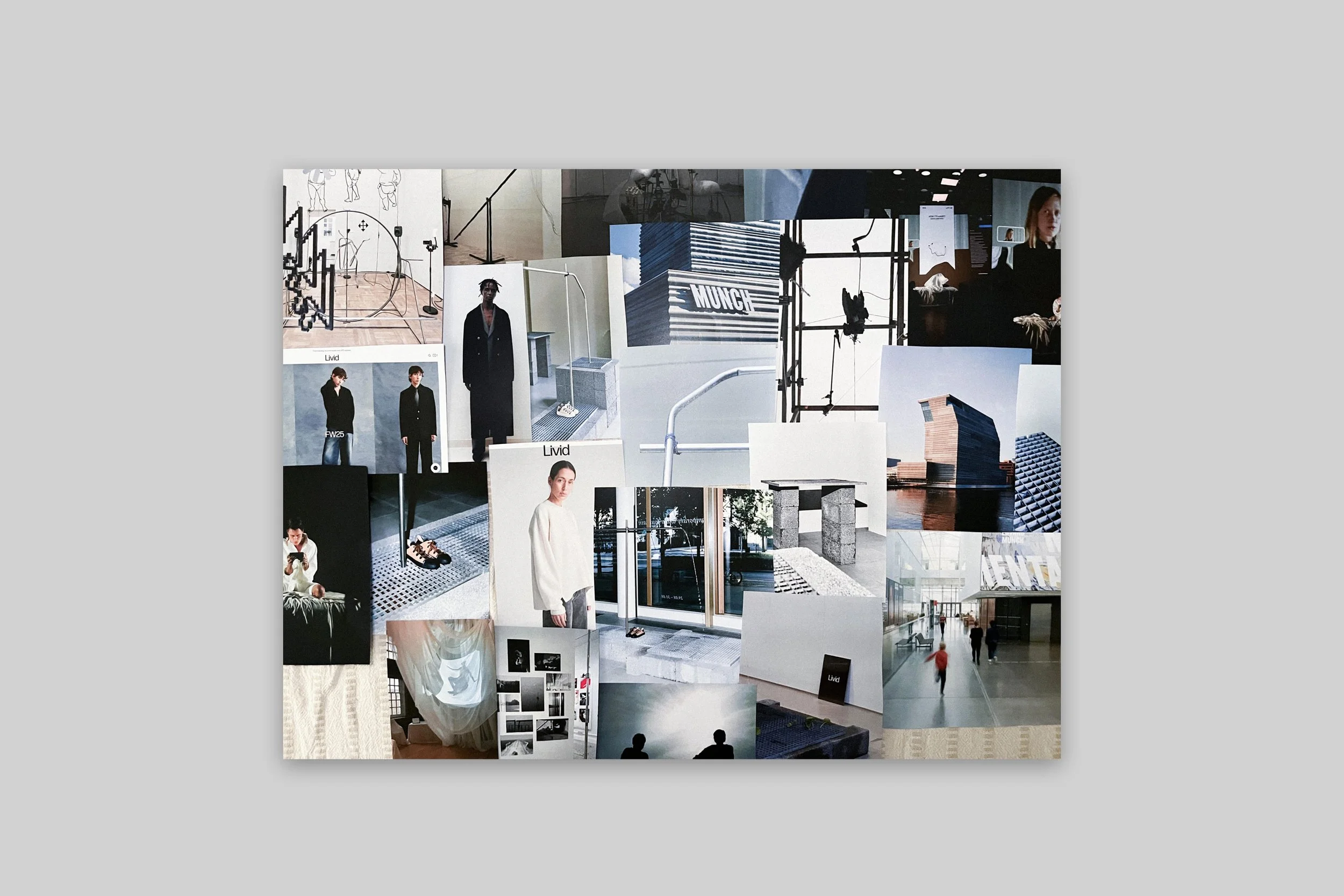
MUNCH x LIVID x NORWEGIAN FASHION HUB
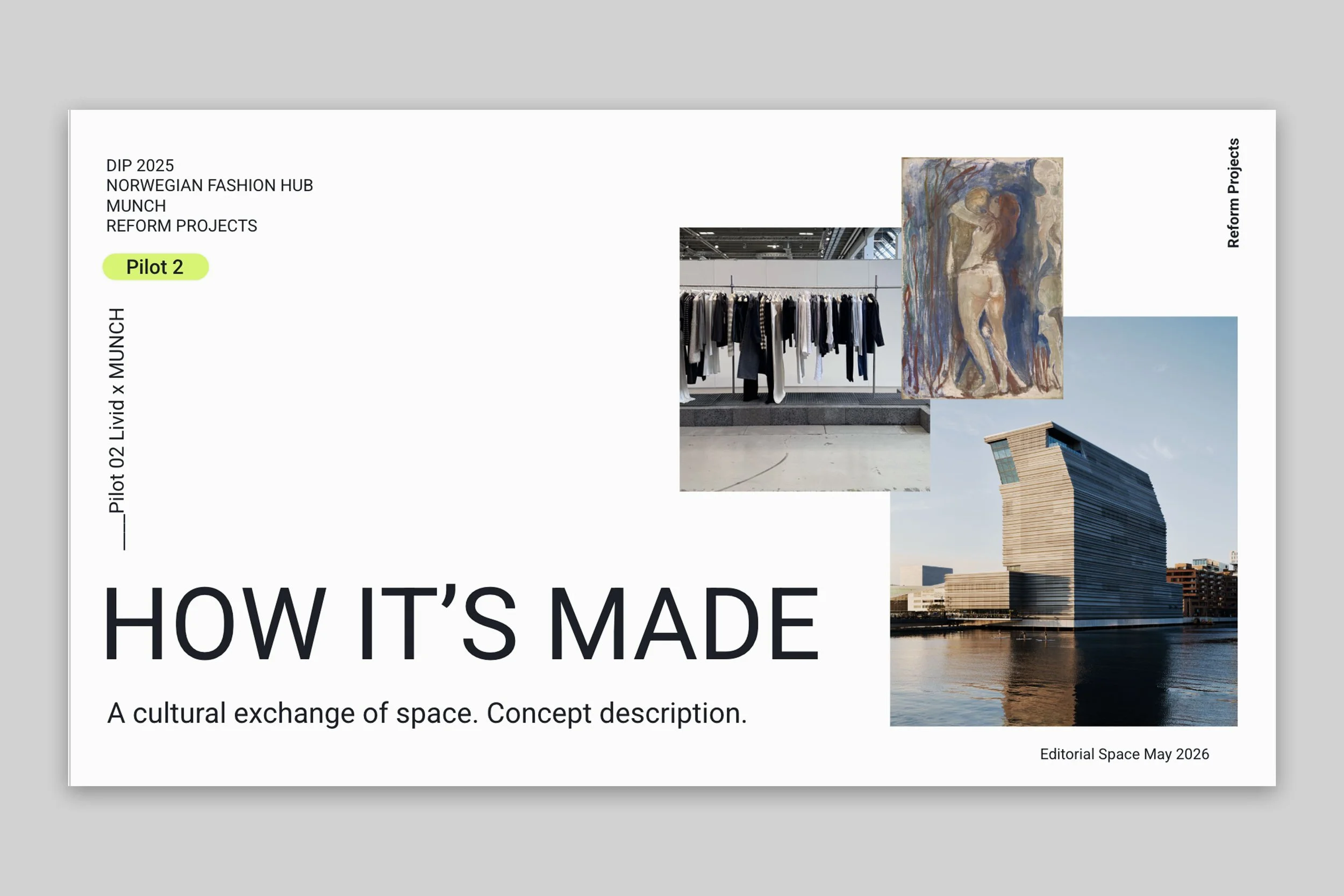
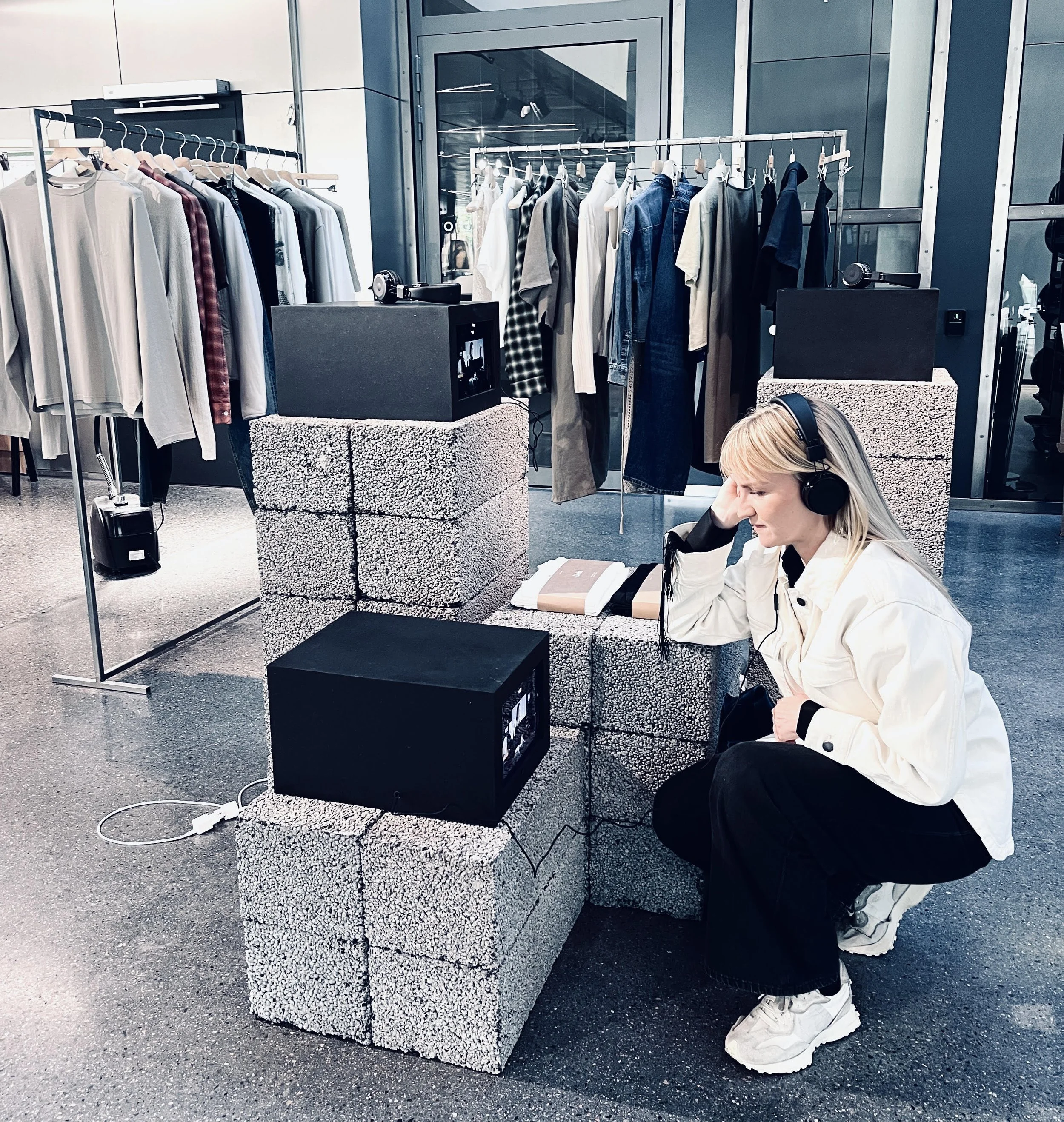
HOW IT’S MADE reimagines retail as an editorial medium where art, fashion, and cultural storytelling merge into one shared narrative. In this collaboration between Livid and the MUNCH museum shop, the two brands temporarily inhabit each other’s spaces.
The project projects highlights process over product; how things are made, how ideas evolve, and how meaning is formed through material, time, and context. Drawing on Munch’s expressive, process-driven practice and Livid’s focus on material studies and transparency, the installation creates a two-way dialogue across two locations, where each brand becomes a guest in the other’s space.
Through this pilot Elin Carlsen (Reform Projects) and I explore how retail can move beyond transaction into cultural engagement through design. We test new ways to attract local audiences, expand product categories, and strengthen storytelling through collaboration.
DIP project supported by Design and Architecture Norway (2025-2026)
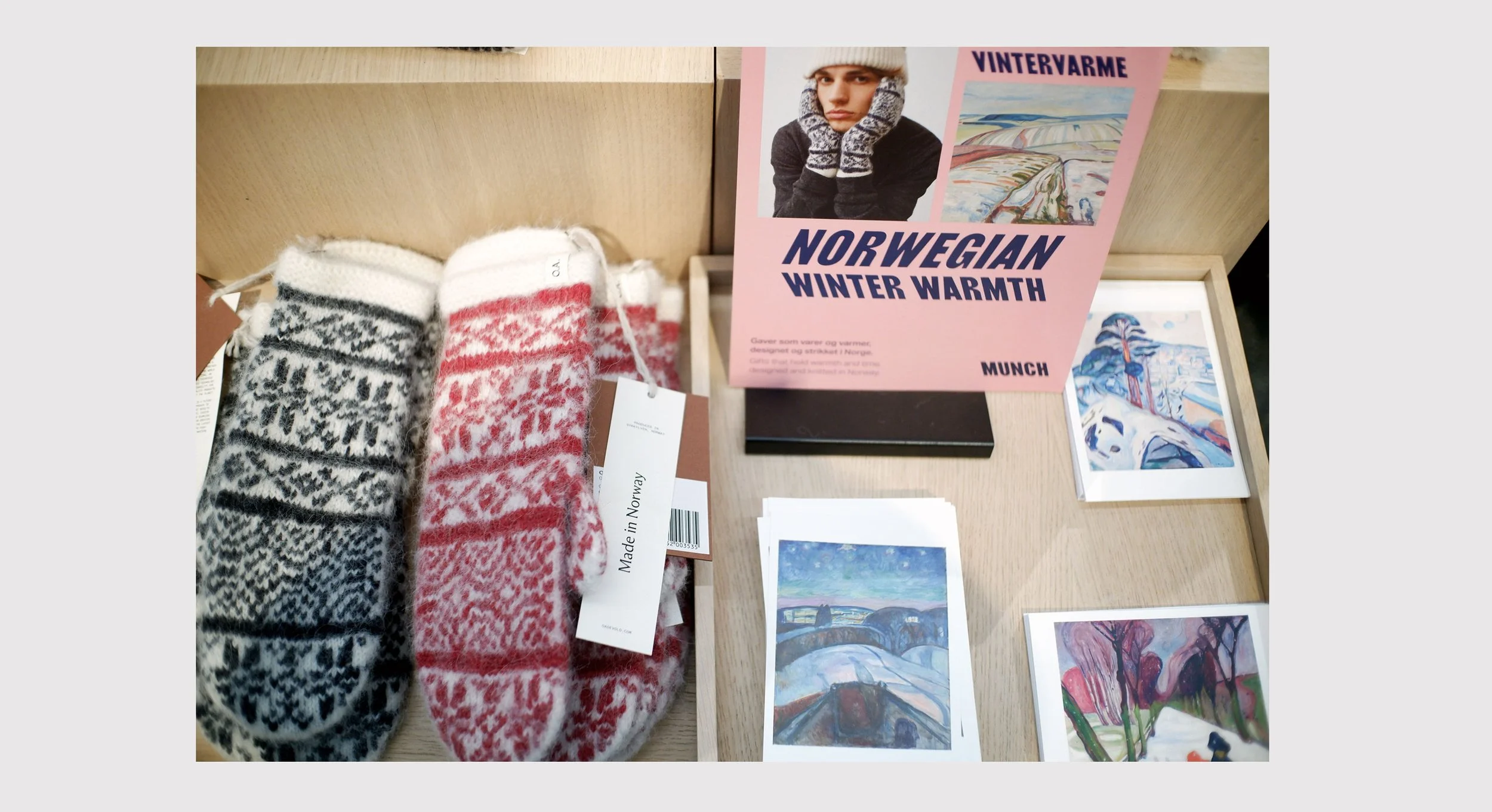
MUNCH x NORWEGIAN FASHION HUB
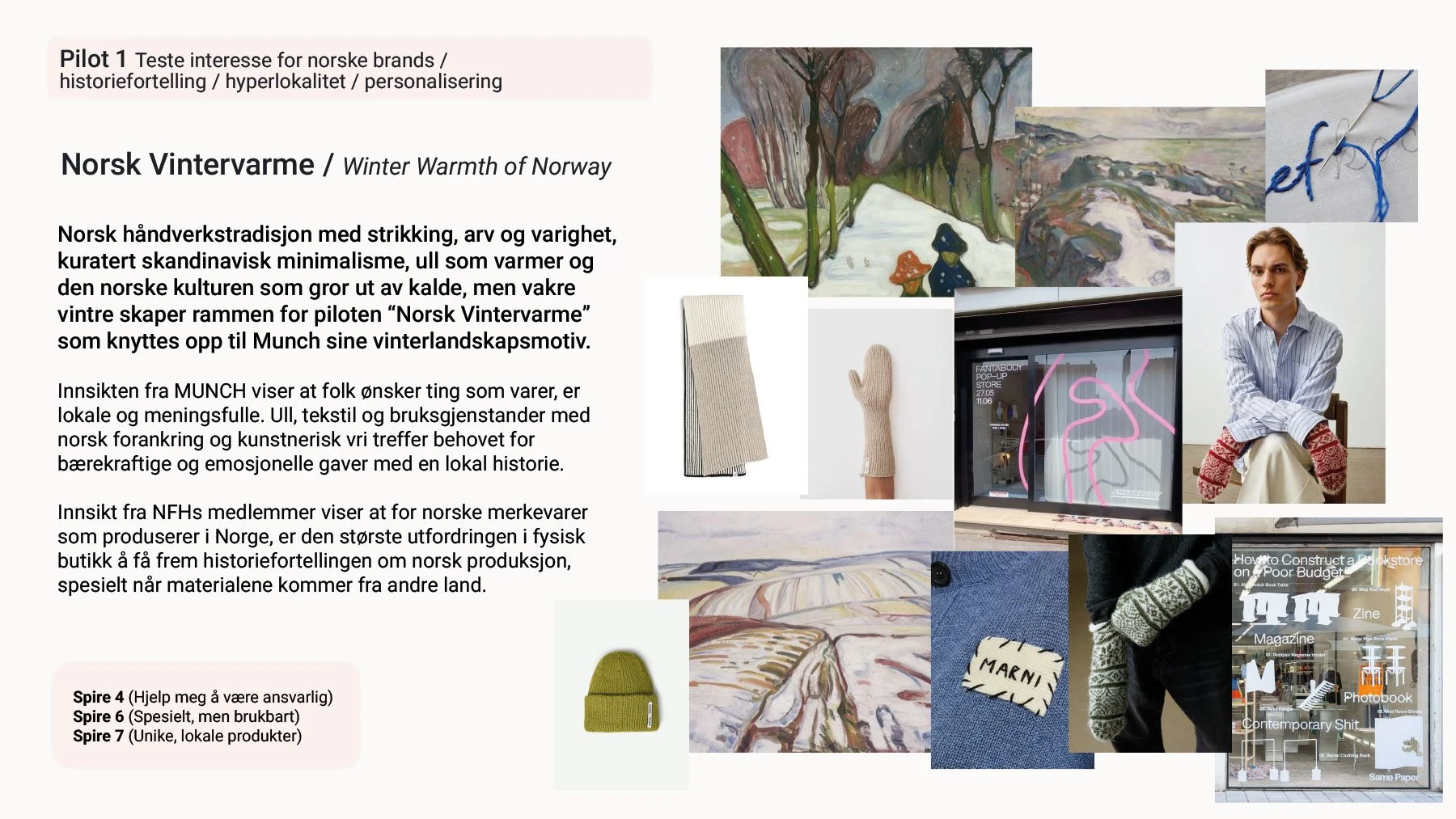
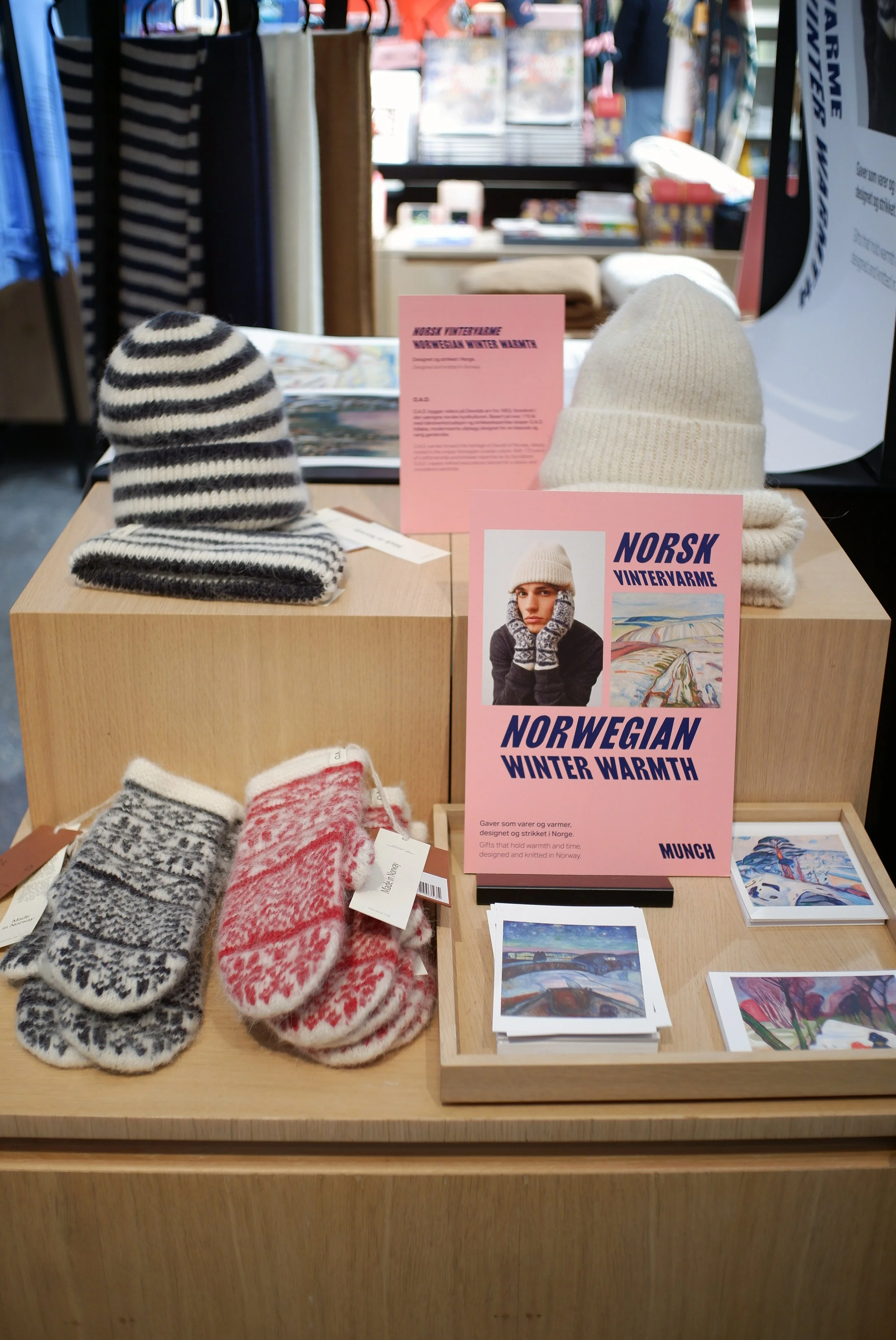
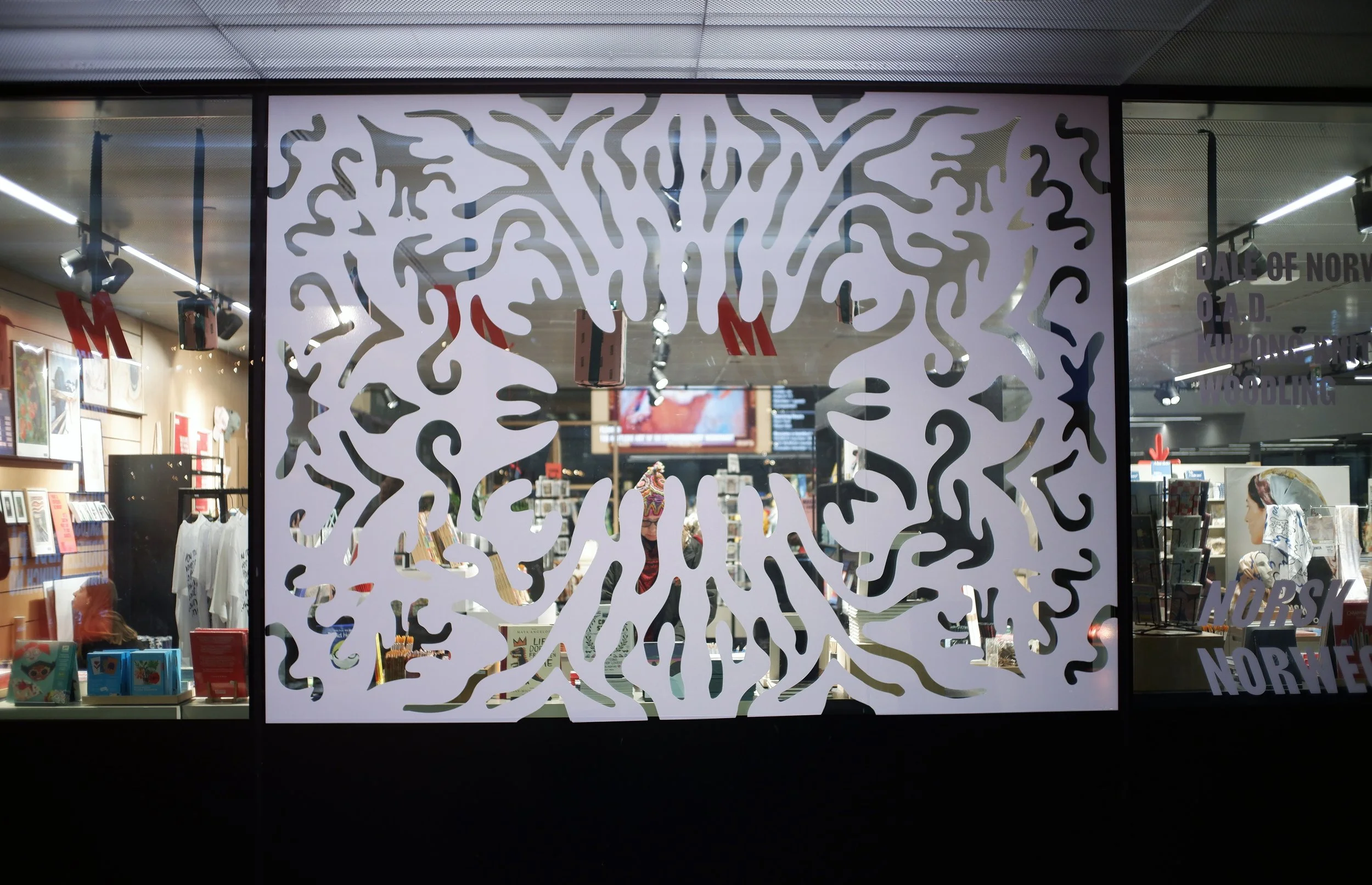
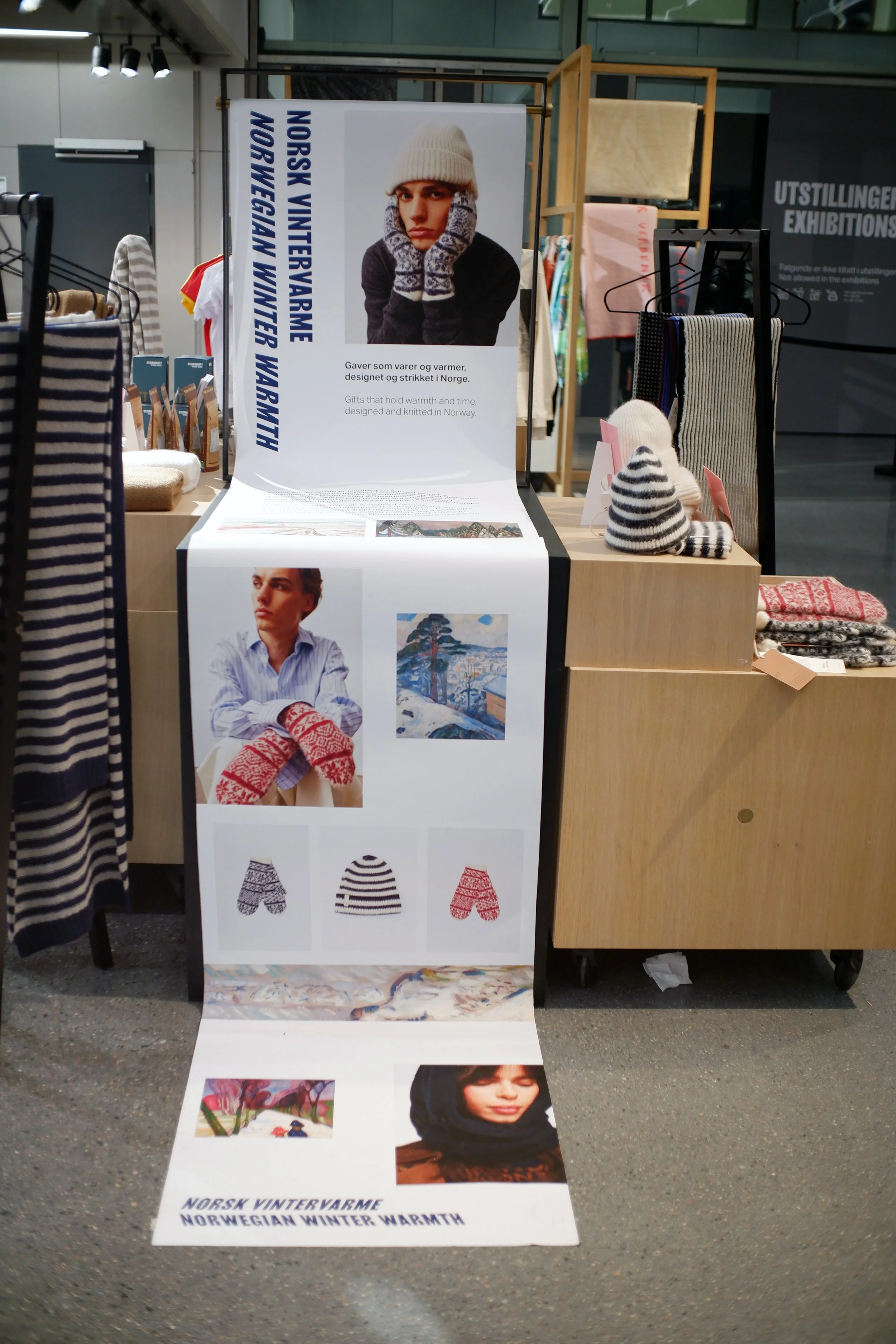
The pilot Norwegian Winter Warmth explored how the traditional handcraft heritage of a curated selection of Norwegian wool brands connect to Munch’s expressive winter landscape motives in an experience-based platform at the intersection of fashion, culture, and community. Developed in collaboration with MUNCH, Norwegian Fashion Hub and Reform Projects, the initiative proposed a conceptual and experimental space for testing new retail formats, collaborative models, and hyperlocal experiences that extend beyond traditional commerce.
The project responded to changing expectations from a new generation of consumers, where emotional connection, cultural relevance, and meaningful experiences increasingly shape engagement with brands and spaces. Through co-design methods and interdisciplinary collaboration the project investigated how museums and fashion brands can create more immersive and socially engaging retail experiences. During the project period sales in the MUNCH museum shop saw a substantial increase in revenue.
DIP project supported by Design and Architecture Norway (2021)
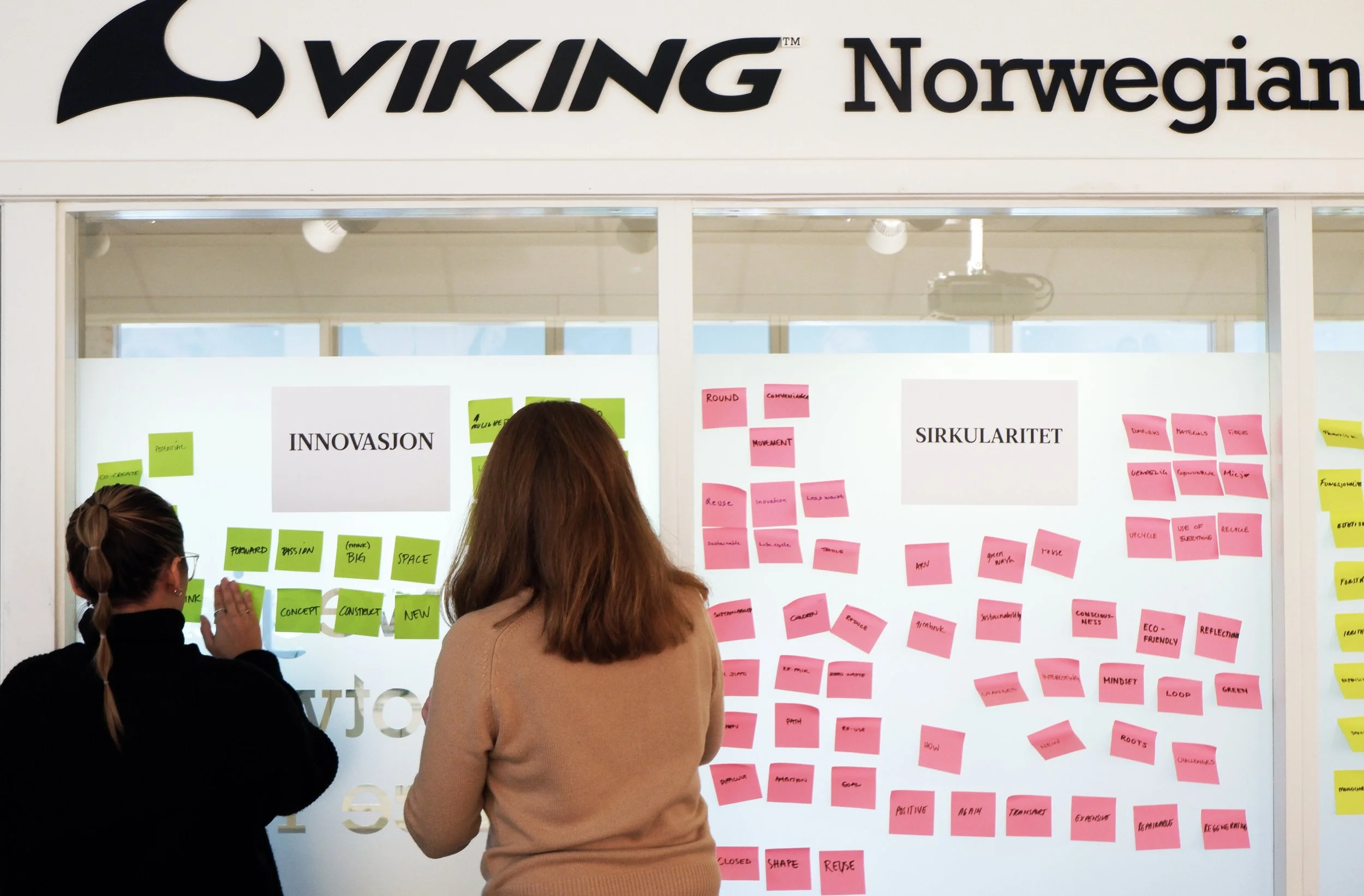
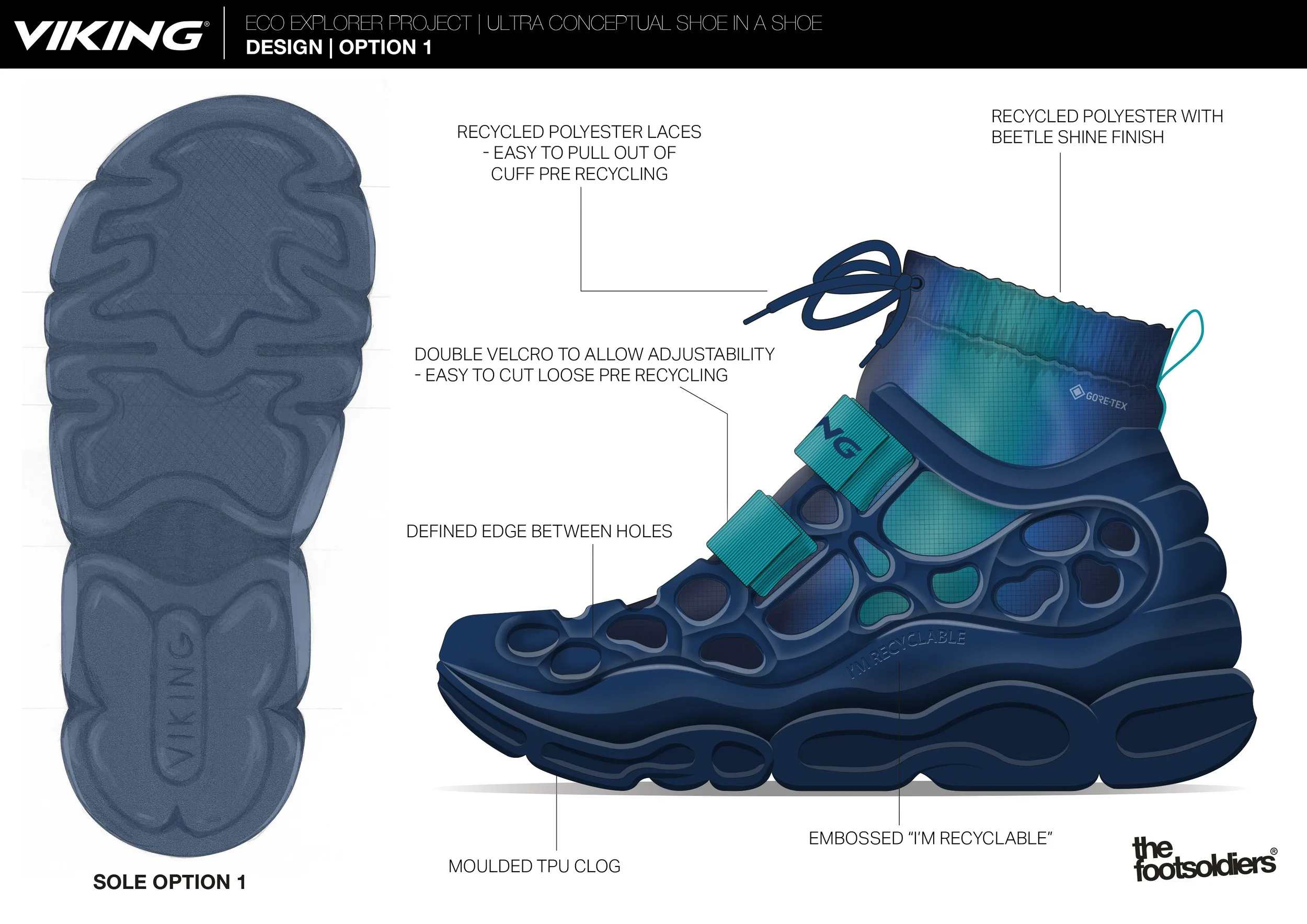
VIKING - CIRCULAR KIDS SHOES
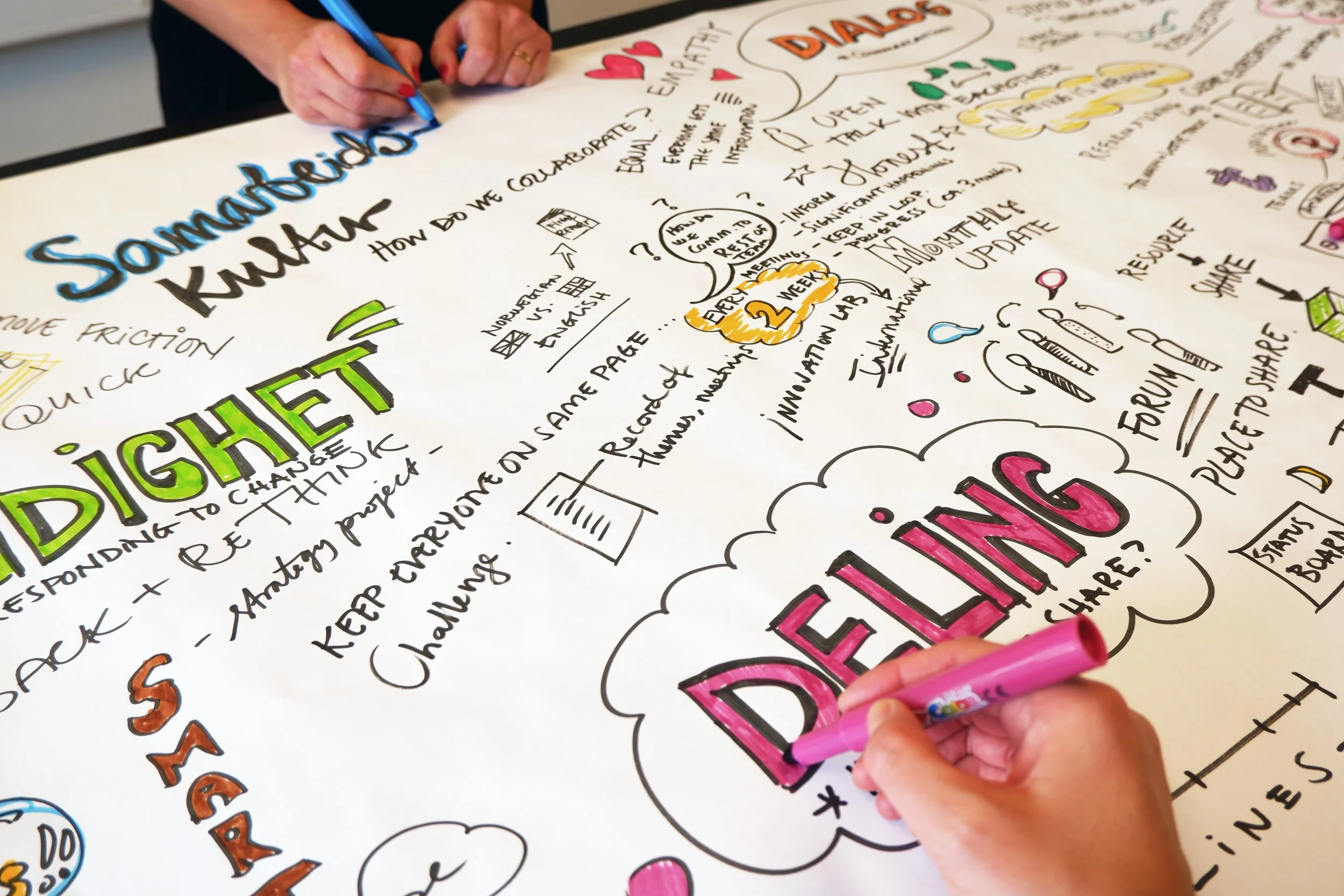
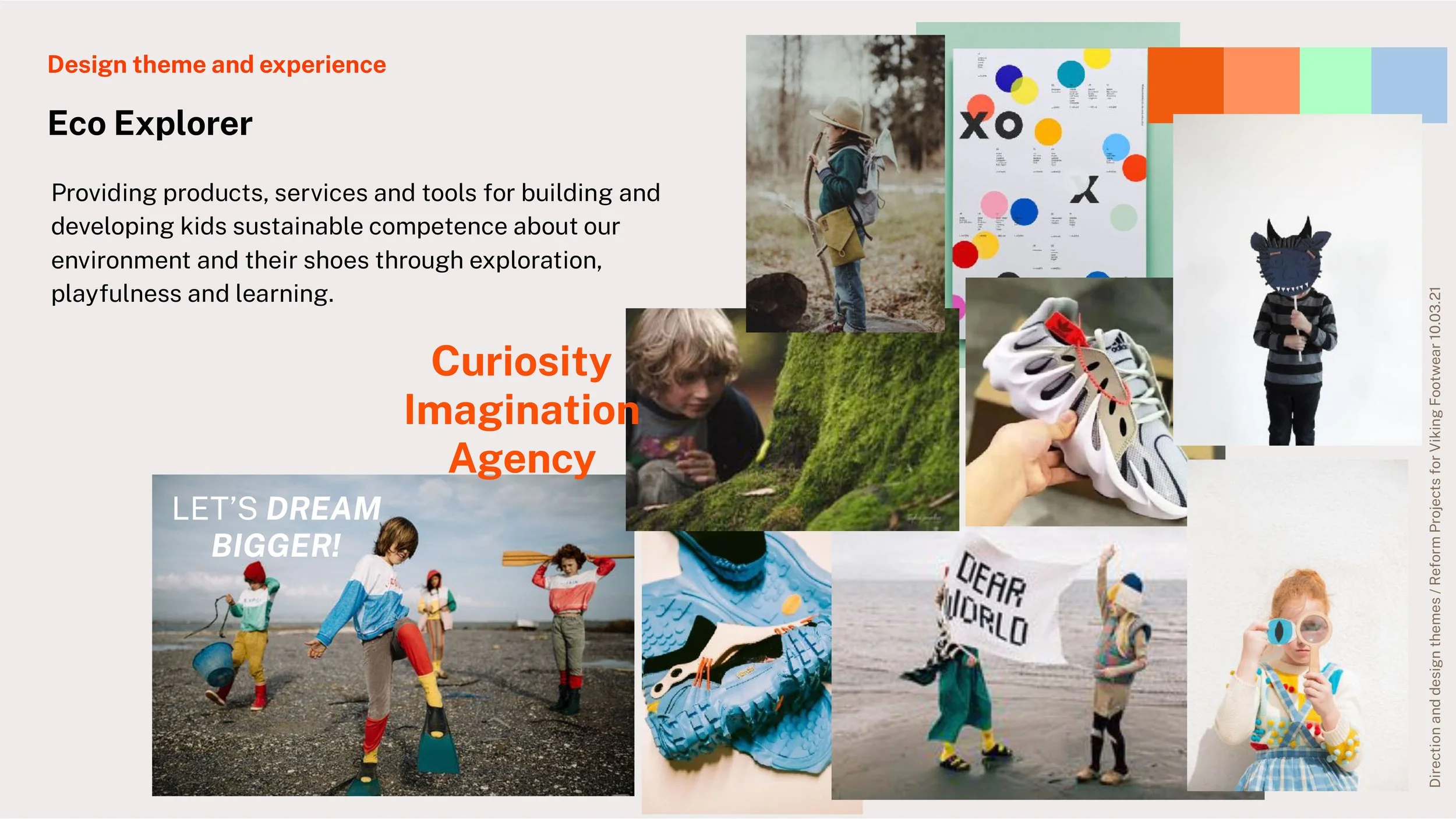
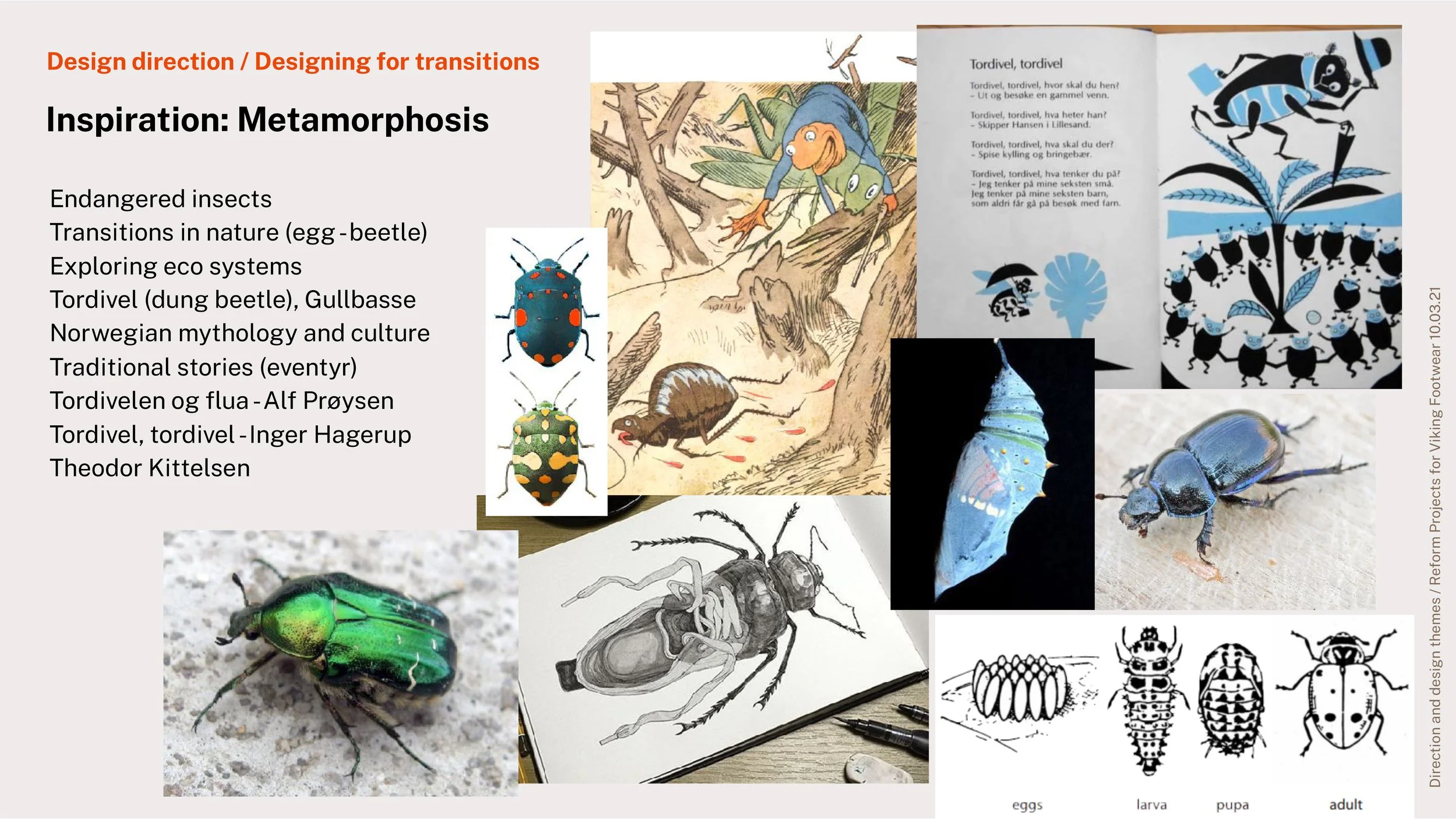
The research project, Barnesko som går igjen og igjen, explored how children’s shoes could be redesigned for circularity. The project focused on extending product lifecycles through circular design methods, material innovation, and service-based business models. It was executed in collaboration with Viking and Reform Projects.
By investigating repairability, reuse, and resource circulation, the project addressed the environmental challenges of children quickly outgrowing footwear and the complexity of shoe recycling. Through workshops, cross-disciplinary collaboration, and experimental prototyping, the initiative aimed to uncover new strategies for creating more sustainable and circular approaches to children’s footwear.
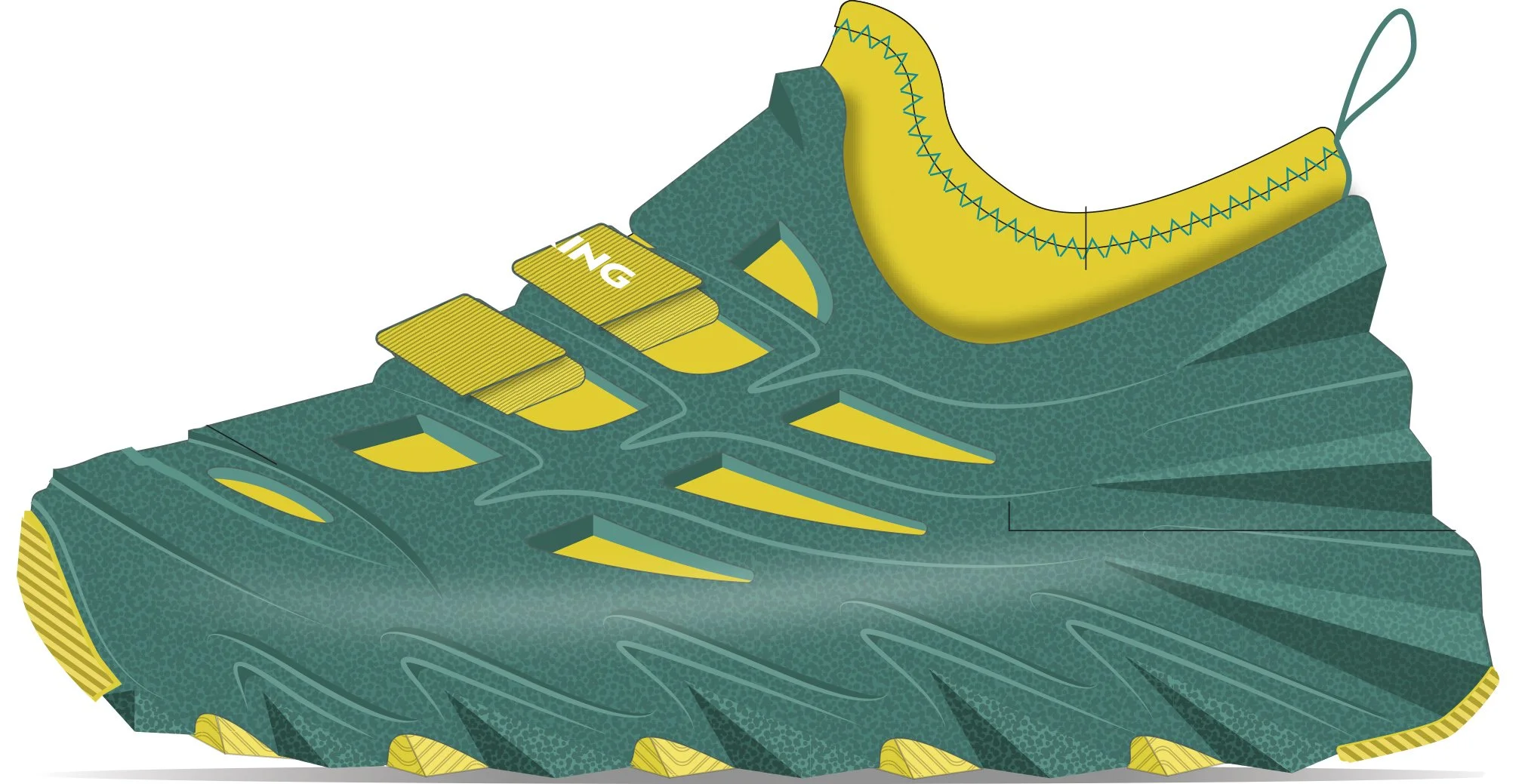
Conceptual product design: The Footsoldiers
DIP project supported by Design and Architecture Norway (2024-2025)
STATENS VEGVESEN x NF&TA
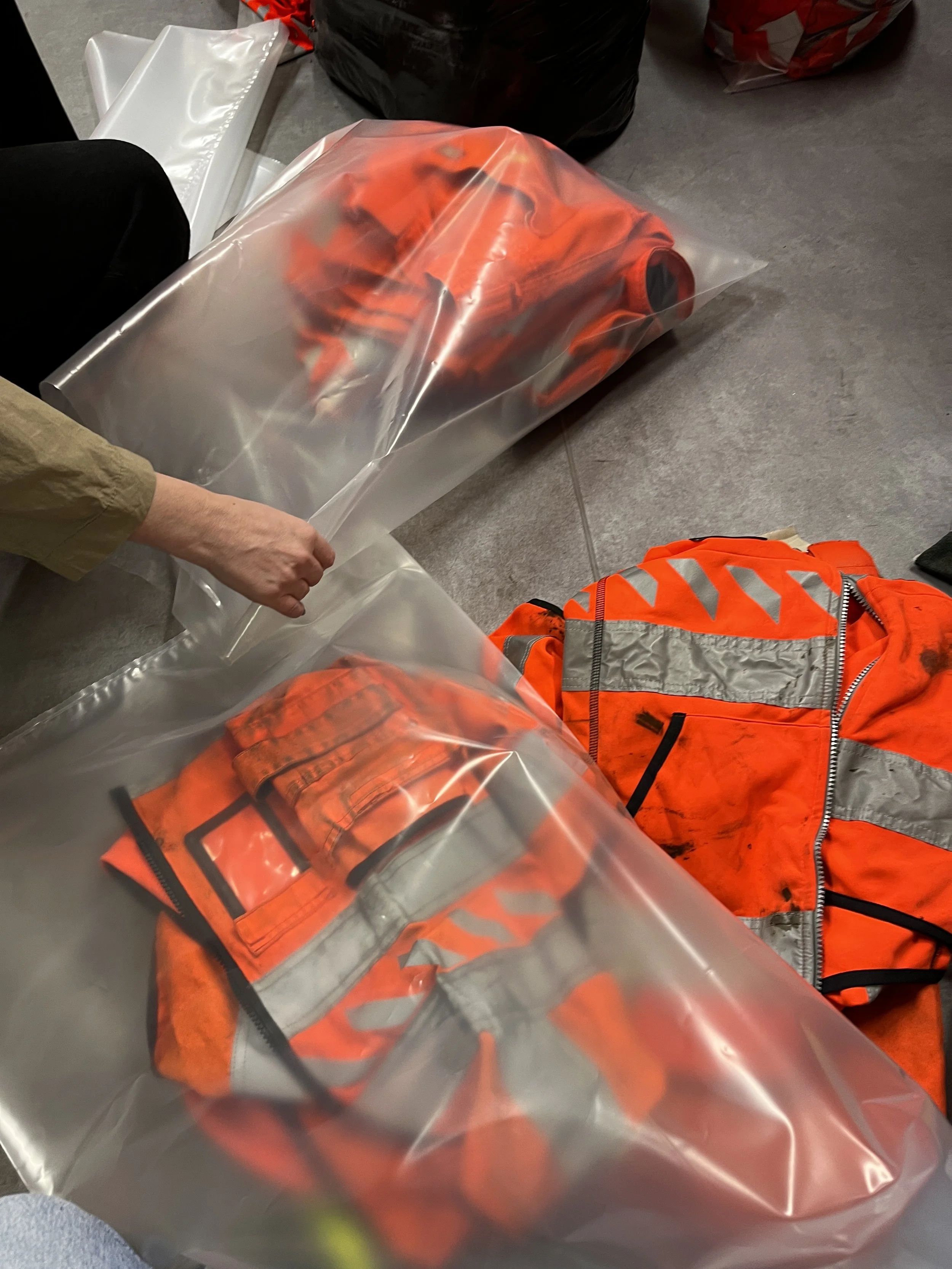
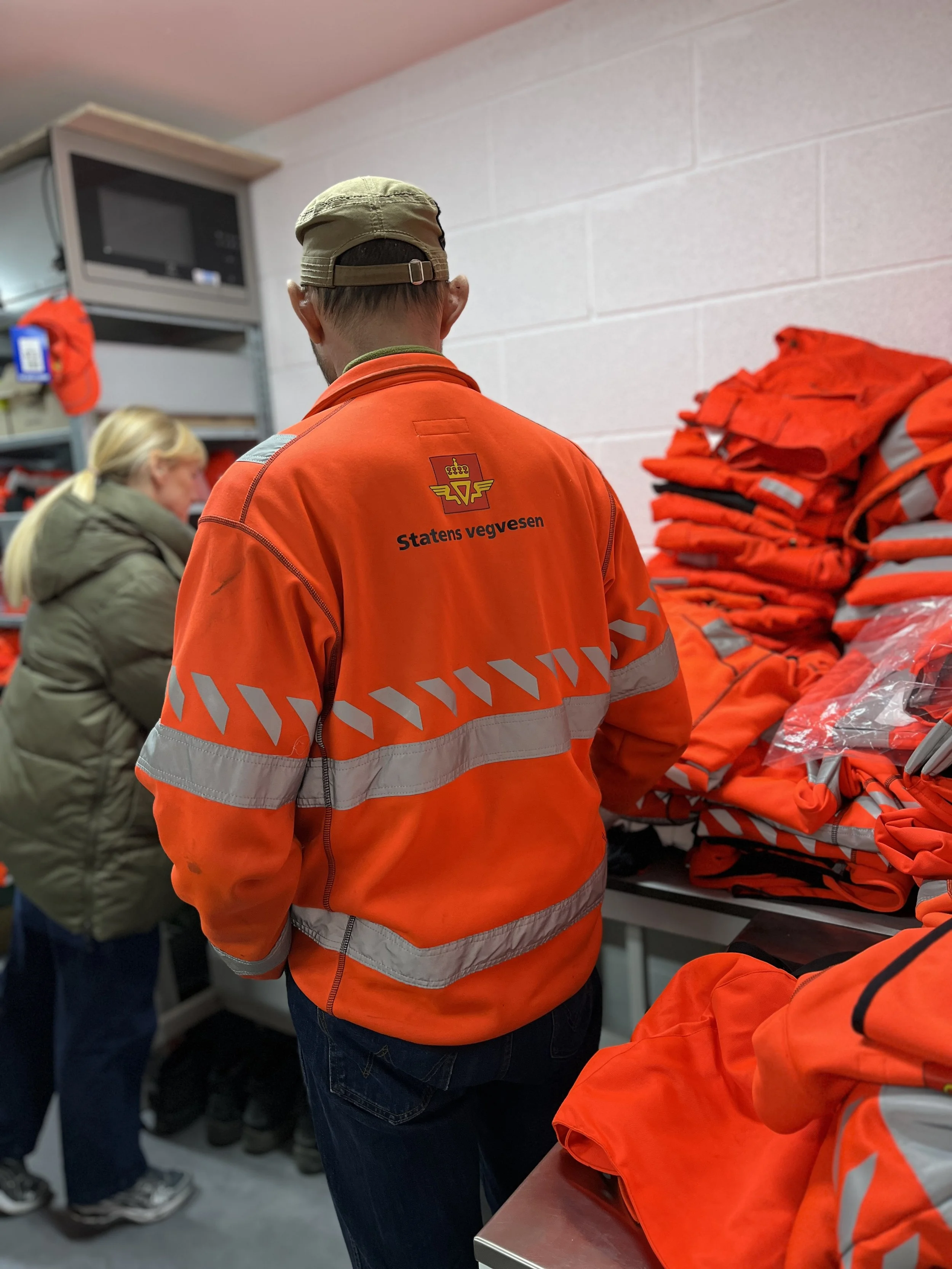
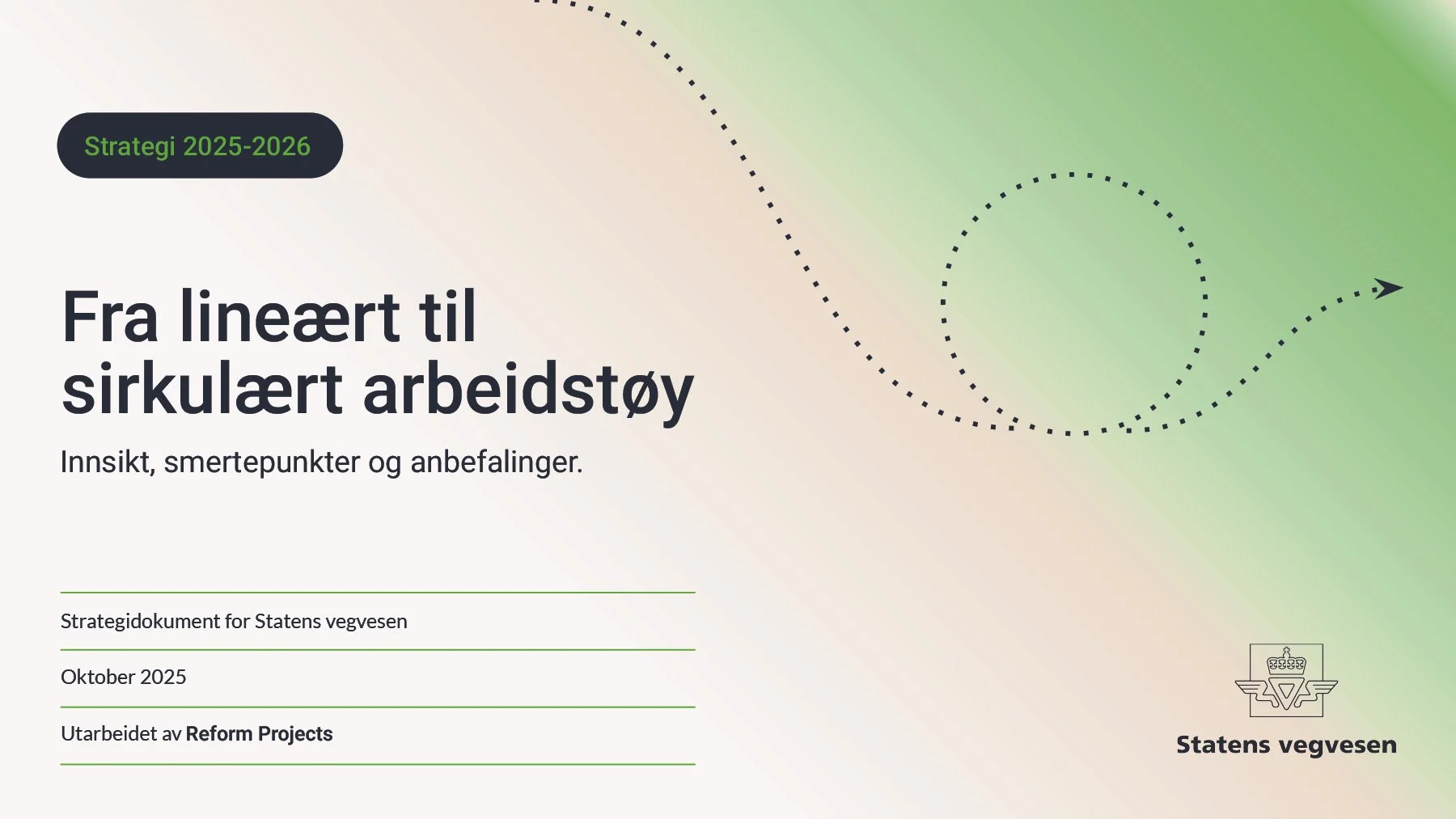
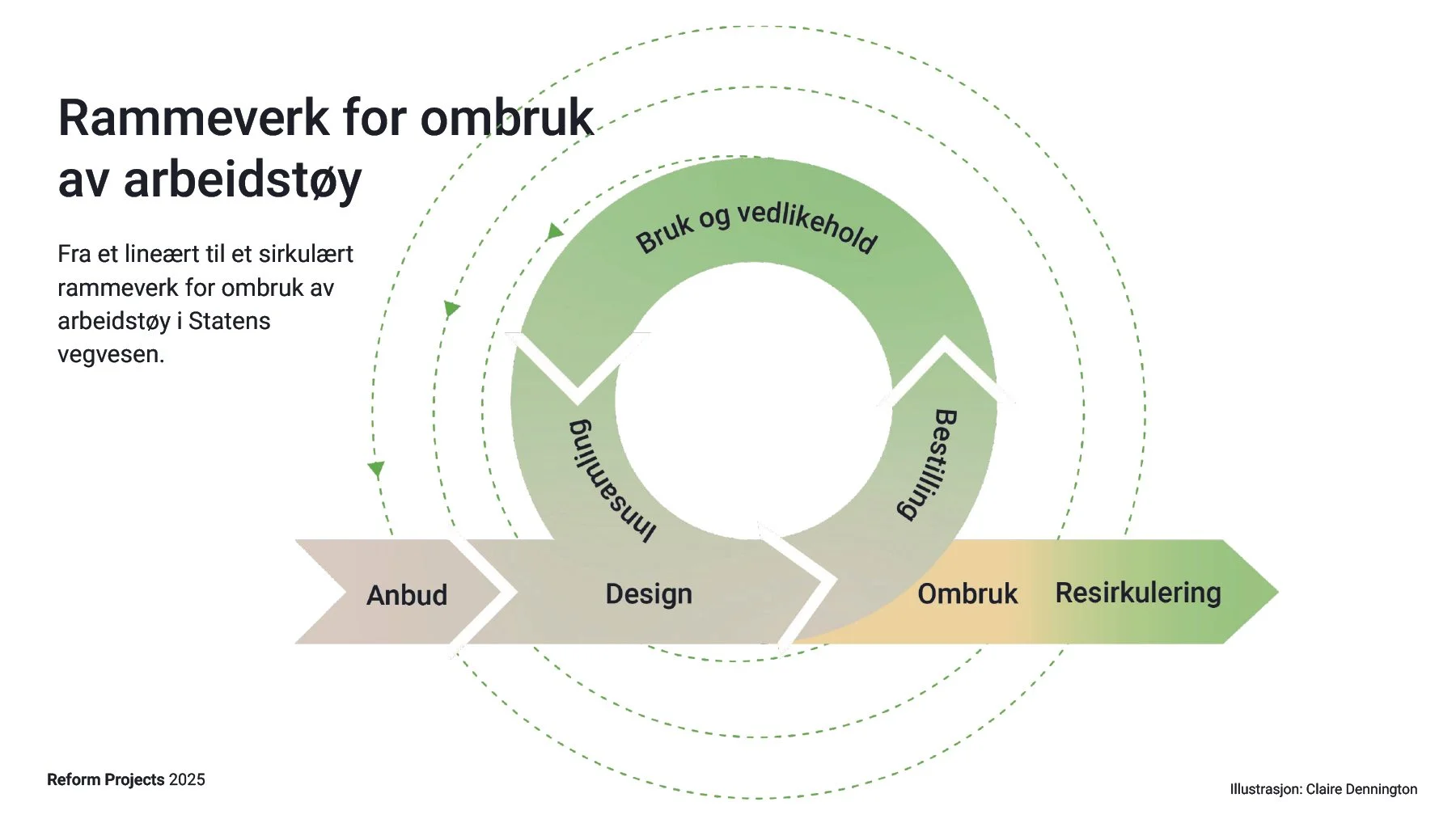
Developed for NF&TA and Statens vegvesen together with Reform Projects this project explored how workwear could move from a linear to a circular system. The initiative focused on extending the lifespan of garments through repair, reuse, cleaning, redistribution, and new service-based infrastructures.
Elin Carlsen and I executed user research, stakeholder mapping, and used service design methods to identify the operational and cultural barriers preventing circular workwear systems from scaling across public and private sectors. Our work brought together insight from actors across the textile value chain to explore new models for circularity.
The project aimed to develop strategic frameworks and recommendations that could support more sustainable procurement practices and create the foundation for scalable circular workwear platforms in Norway.